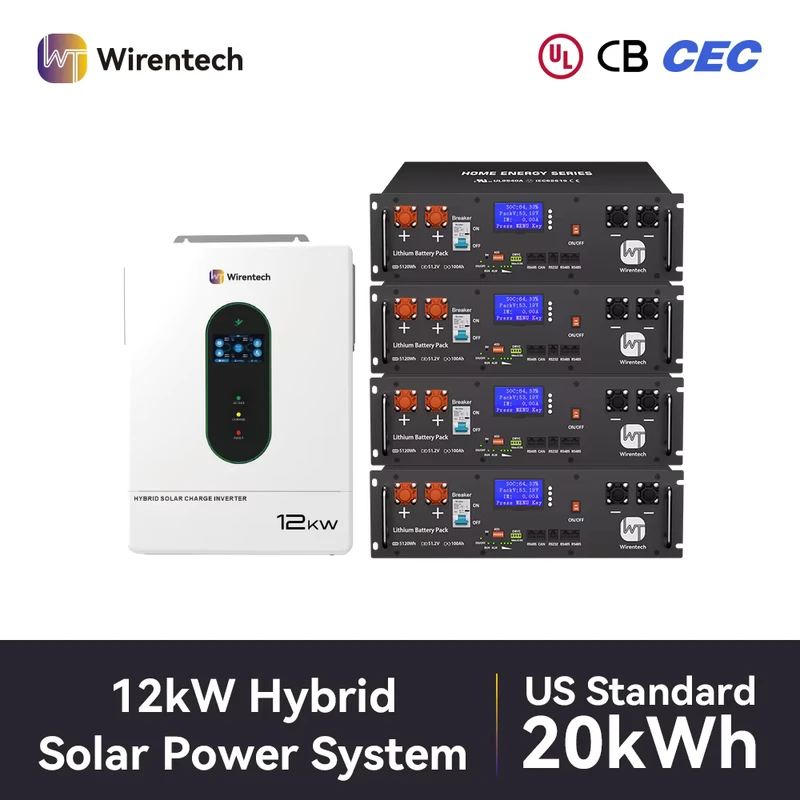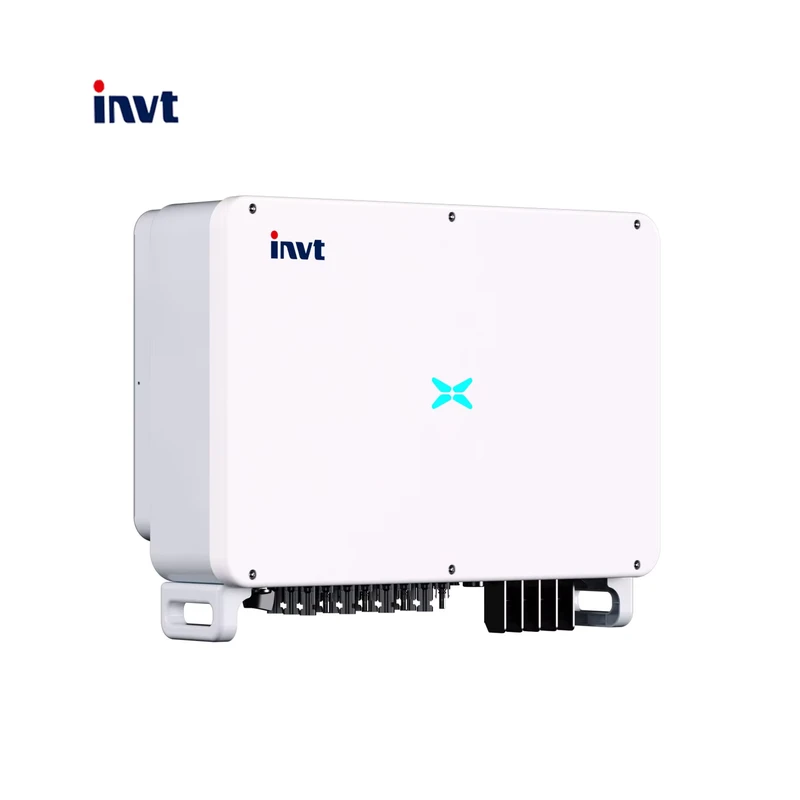

Compare three inverter options for off-grid homes, mobile power, distribution, and solar projects while identifying key sourcing factors.
Selecting a solar inverter is not simply a matter of choosing the highest wattage. Importers and project buyers must match battery voltage, AC output, solar input design, surge demand, installation space, and regional electrical standards. A diversified solar inverter range can help distributors serve residential, mobile, and larger off-grid applications without relying on one configuration.
Hybrid options for different system sizes
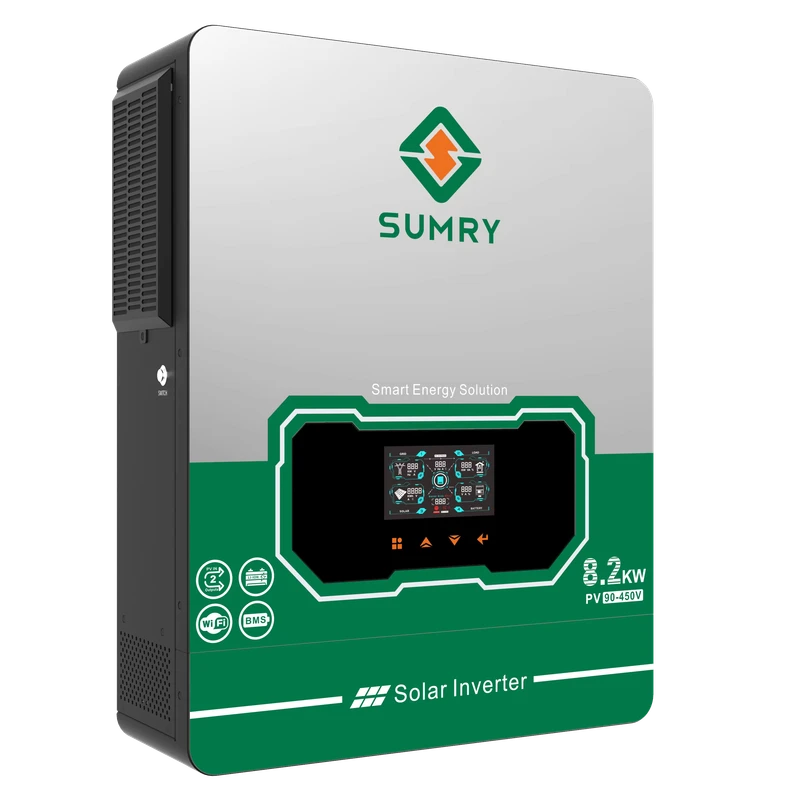
For higher-capacity single-phase systems, the 8.2kW and 10.2kW inverter combines dual PV input with a 160A MPPT controller. Its listed inverter efficiency is 98%, while 50Hz and 60Hz support improves suitability for different markets. At 500 × 390 × 136 mm and 16 kg, it is designed for projects where output capacity matters more than minimal enclosure size.
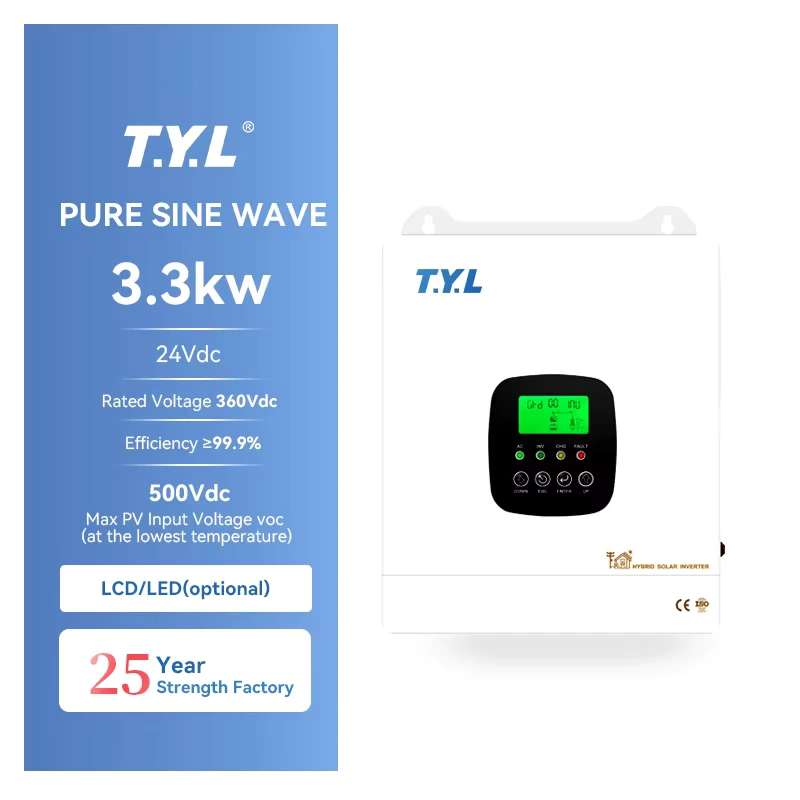
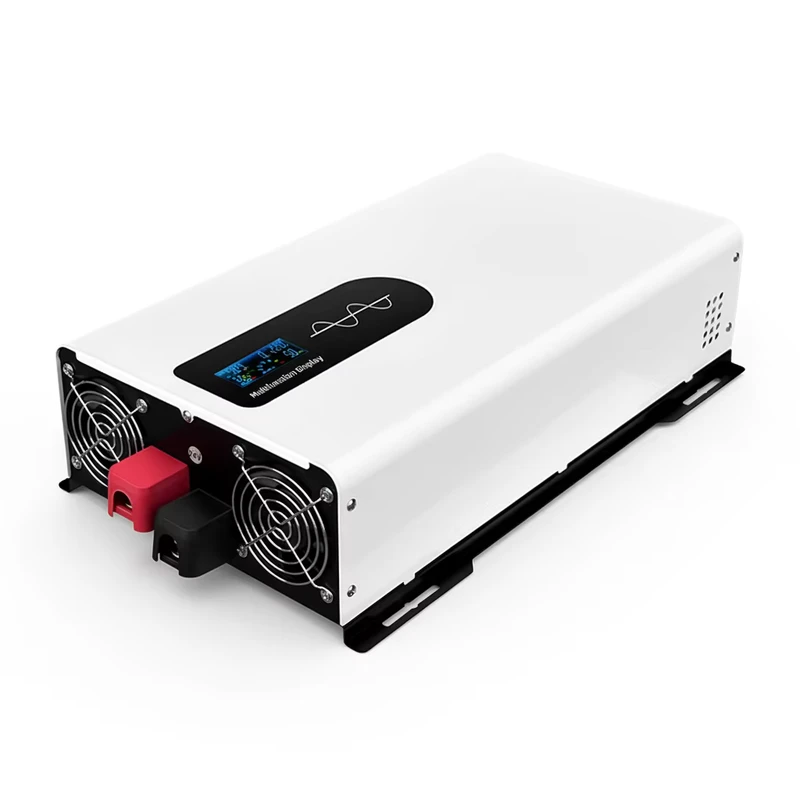
Smaller homes, cabins, and distributed energy packages may be better matched with the 3.3kW hybrid inverter. It supports 24V or 48V input, 220V, 230V, or 240V output, and pure sine wave power. An LCD and LED display provides accessible operating information, while the compact 5.5 kg format can simplify handling and installation.
Voltage flexibility for mobile and home applications
The 12000W peak inverter offers input choices from 12V to 72V and AC output at 110V or 220V. Its pure sine wave output, optional 50Hz or 60Hz frequency, and OEM socket options make it relevant to car, RV, and home power product portfolios. Buyers should confirm continuous rated output and peak-power duration before final system matching.
Procurement decisions should also account for battery chemistry, PV array limits, protection requirements, plug standards, labeling, packaging, and certification needs. Comparing these details early reduces specification gaps and helps create a clearer quotation.
Contact us with your target power level, battery voltage, destination market, and estimated order quantity to discuss an appropriate inverter configuration and sourcing plan.